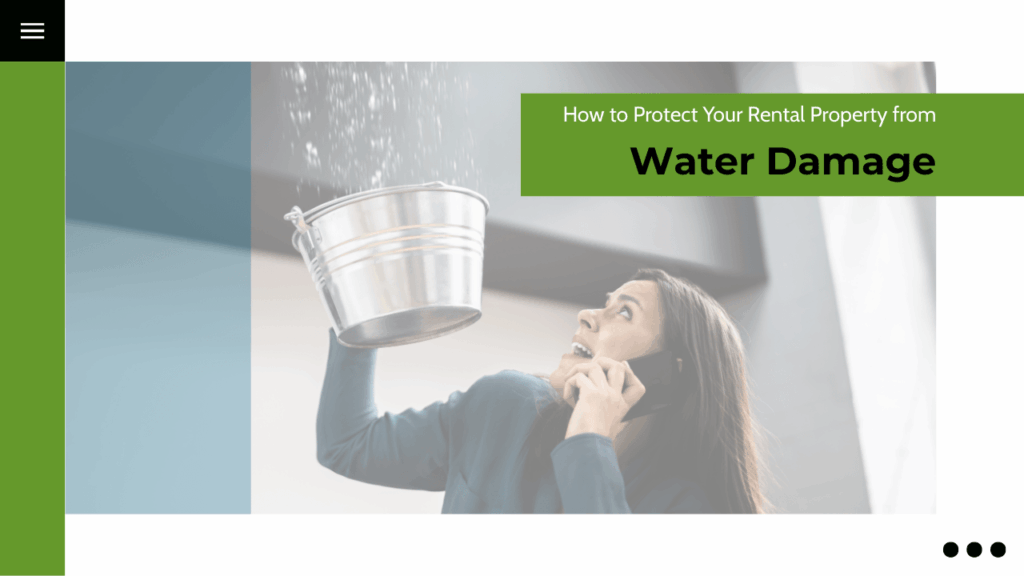
We shudder to think about water damage in a home. If you’re renting out a property, you probably know that shudder well.
Water damage is one of the most common and costly problems rental property owners face, and whether it’s a plumbing problem, aging infrastructure, or a freak storm delivering a deluge of rain, water can do its damage quickly. Before you know it, a small leak has turned into a major repair job.
This is a serious concern for all property owners, and whether you rent out a single-family home or a portfolio of multi-family units, preventing water damage is a big part of maintaining property value and keeping residents satisfied in their homes.
Here’s how to protect your Roseville area rental property from water damage.
Understand Your Local Water Risks
Our part of California generally experiences mild winters and dry summers, but that doesn’t mean water damage is off the radar. Seasonal rains, sudden downpours, and even rare frost events can wreak havoc on poorly maintained homes. Some of the things to worry about around water include:
- Seasonal storm water runoff during winter and spring rains
- Aging plumbing systems in older homes
- Landscape overwatering or improper drainage in suburban developments
- Proximity to creeks and waterways
Understanding these local risks helps you tailor your prevention efforts.
Inspect Your Roof and Gutters Regularly
Routine inspections can avoid a lot of hassle and expense. One of the most common sources of water intrusion is a compromised roof. Shingles may wear out, flashing can come loose, and gutters can clog with leaves, especially during autumn.
Inspect your roof annually. Have a professional look at it before the fall/winter season arrives, and have your gutters and downspouts cleaned. This ensures water flows away from the foundation. We always recommend that owners check for sagging or pooling water on flat roof sections or overhangs. It always helps to ensure proper drainage extensions on downspouts. The idea is to direct water at least 5–10 feet away from the home.
Upgrade Plumbing and Fixtures
Plumbing leaks can go unnoticed for weeks, especially in rental homes where tenants may not report issues immediately. Vacant properties are also in danger of plumbing problems that go unobserved. If your property was built before 1980, the plumbing may be outdated or near failure.
What actions do we recommend, as proactive property managers?
- Replace polybutylene or galvanized steel pipes, which are prone to leaks.
- Install water leak sensors under sinks, behind toilets, and near water heaters.
- Upgrade washing machine hoses to braided stainless steel, which are more durable.
- Flush water heaters annually to remove sediment and extend life.
We have a great network of licensed plumbers who help our owners save thousands of dollars in cleaning up potential water damage.
Seal Windows and Doors
Leaky windows and poorly sealed doors can let water seep into walls, causing hidden mold growth and structural damage. Some simple maintenance tasks can prevent this, including fresh caulk around windows and doors to seal gaps and cracks. You can install weather-stripping, or replace any that’s worn to prevent water intrusion and improve energy efficiency.
Grade Landscaping for Proper Drainage
Your property’s landscaping plays a critical role in preventing water damage, especially when it comes to grading and drainage. There are some good ways to avoid problems:
- Ensure the ground slopes away from the foundation (at least 6 inches over 10 feet).
- Avoid planting trees too close to the house—roots can damage water lines.
- Use mulch and native plants to reduce soil erosion and absorb runoff.
- Install French drains or dry wells in areas where water tends to pool.
If you’re not sure about your property’s grading, a local landscaping contractor can help you evaluate and correct any issues. We’ll happily make an introduction if you need a referral.
Regularly Check Attics, Crawlspaces, and Basements
Water damage often starts in places you and your tenants don’t see every day. Periodically checking these out of sight spaces is essential. Inspect attics for signs of roof leaks. You’ll want to look for staining, damp insulation, mold, or mildew odors. Check underneath the property, especially if you have a crawlspace. There may be pooling water, rot, or plumbing leaks that have been growing, unnoticed.
Review Rental Property Proper Insurance Coverage
Even with the best prevention, water can find a way.
Make sure you have robust landlord insurance that covers water damage, burst pipes, and related repairs. Check your policy for coverage for water damage from sudden incidents, like broken pipes. Do you have a mold remediation clause? Sometimes the water damage isn’t the problem, but the mold and the rot becomes a bigger issue. You want insurance that covers sewer and drain backup protection, and loss of rent coverage is of course important if tenants must vacate during an emergency.
Work with a local insurance agent familiar with the local area and your property to ensure your policy matches your property’s risk profile.
Install a Sump Pump and Backup System
 Not every rental home has a basement, but if yours does, or even if it sits in a low-lying area, a sump pump can be a handy tool for water protection. It can automatically remove water during heavy rain, help prevent flooding and foundation damage, and even run continuously during power outages if there’s enough of a backup battery.
Part of your plan for protecting your rental home against water damage is documentation. It’s essential that you have a clear record of all inspections, upgrades, and repairs. If water damage ever leads to an insurance claim or legal dispute, having a well-maintained record shows you’ve done your due diligence.
Our property management software is very good at tracking:
- Dates and findings from inspections
- Receipts for repairs or upgrades
- Tenant maintenance requests and responses
- Photos of before-and-after repair work
Well-kept records can also boost your property value and simplify turnover between tenants.
Protecting your rental property from water damage has to be proactive so you’re not constantly responding to emergencies. Whether your rental property is an older home or a new property in a recently constructed development, create a protection plan that meets the needs of your property’s age and condition.
We’re all about minimizing risk. For help, please contact us at Action Properties.
