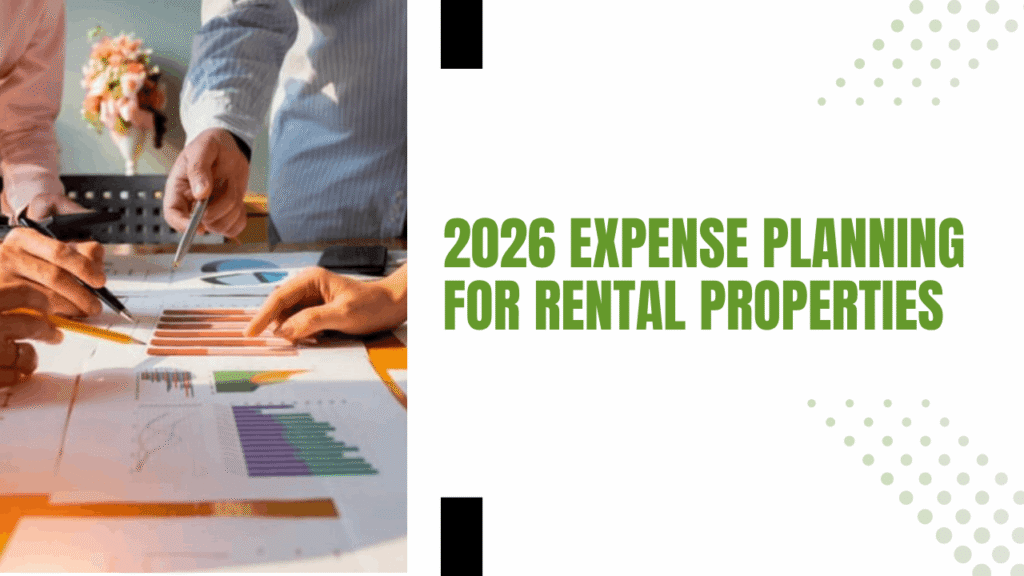
How can you control your 2026 budget when rental property expenses are increasing in Roseville?
This is a year where disciplined expense planning will separate high-performing rental properties from underperforming ones. With rent growth stabilizing and competition among landlords increasing, profitability is no longer driven by appreciation and rent hikes alone. We’re noticing that it’s mostly driven by operational efficiency.
Taking a proactive, strategic approach to expenses is smarter than reacting to costs as they arise.
A well-structured expense plan not only protects your earnings but also positions your property to remain competitive in a shifting market.
Here’s what we recommend.
Our Takeaways:
|
Start With a Realistic Operating Budget
The foundation of effective expense planning is a detailed, realistic operating budget.
Many landlords underestimate expenses by focusing only on obvious costs like mortgage payments and property taxes. A complete budget should include:
- Property taxes
- Insurance premiums
- Routine maintenance and repairs
- Vacancy allowance
- Property management fees
- Utilities (if owner-paid)
- Landscaping and exterior upkeep
- Marketing and leasing costs
A conservative budget prevents surprises and helps ensure your property remains cash-flow positive even during slower leasing periods.
Account for Rising Insurance Costs
Insurance has become one of the fastest-growing expenses for property owners in California.
Factors contributing to rising premiums include:
- Increased rebuilding costs
- Regional wildfire risk considerations
- Stricter underwriting standards
For 2026, landlords in Roseville should plan for premium increases at renewal, possible changes in coverage requirements, and higher deductibles.
Build a Capital Expenditure (CapEx) Reserve
One of the most common financial mistakes landlords make is failing to plan for large, infrequent expenses. These include:
- Roof replacement
- HVAC system upgrades
- Water heater replacement
- Appliance upgrades
- Exterior painting
Rather than treating these as unexpected emergencies, they should be planned for in advance.
Having this reserve is critical because it prevents you from deferring necessary upgrades that could impact tenant satisfaction and leasing performance.
Prioritize Preventative Maintenance
Preventative maintenance is one of the most cost-effective strategies available to landlords. Spending a small amount now can prevent much larger expenses later.
Key areas to focus on:
- HVAC servicing (at least annually)
- Gutter cleaning and roof inspections
- Plumbing checks for leaks or pressure issues
- Pest control
- Exterior inspections
Preventative maintenance also supports tenant retention. Properties that are well-maintained tend to experience fewer complaints and longer tenancies, both of which reduce overall costs.
Plan for Turnover Costs
Even in the best-case scenario, tenant turnover is inevitable. Each turnover can involve:
- Cleaning and repairs
- Paint touch-ups or full repainting
- Flooring replacement or repairs
- Lost rent during vacancy
- Leasing and marketing costs
Budgeting for turnover in advance allows you to minimize downtime, maintain high property standards, and stay competitive with other listings
Evaluate Utility and Efficiency Costs
If you cover any utilities, or if you want to improve your property’s competitiveness, energy efficiency should be part of your expense strategy.
Consider:
- Upgrading to energy-efficient appliances
- Installing smart thermostats
- Converting to LED lighting
- Improving insulation or sealing
These upgrades can reduce operating costs over time and make your property more attractive to cost-conscious tenants. Even if tenants pay utilities directly, efficiency improvements can justify higher rent and improve leasing speed.
Factor in Property Management
We do not see professional property management as an expense. It’s an investment in the performance and protection of your property. But there is a cost associated with professional services, so make sure you include that in your expense plan.
Typical costs may include:
- Monthly management fees
- Leasing or placement fees
- Maintenance coordination costs
While this adds to your expenses, it can also reduce vacancy, improve tenant quality, and streamline operations.
Adjust for Market Conditions in 2026
Expense planning needs to reflect current market realities. For 2026 in Roseville, key trends include:
- Slower rent growth
- Increased competition among landlords
- Greater tenant expectations
This means you may need to invest more in maintenance and upgrades. Pricing flexibility may be required to stay competitive, and above all, operational efficiency becomes more important than ever.
Rather than relying on rent increases to offset rising costs, landlords should focus on controlling expenses and maximizing value.
Track and Review Expenses Regularly
A budget is only useful if it’s actively managed. Best practices include:
- Tracking expenses monthly
- Comparing actual costs to your budget
- Identifying trends or cost overruns
- Adjusting your plan as needed
This level of visibility allows you to make informed decisions, whether that’s cutting unnecessary expenses or increasing investment in high-impact areas.
Expense Planning FAQs
- How much should I budget for maintenance each year?
A common guideline is 1% to 2% of the property’s value annually, though this can vary based on the property’s age and condition. We suggest putting away 10% of your rent every month so you can build a reserve.
- What is a good vacancy rate to plan for?
Most landlords should budget for a 5% to 8% vacancy rate, depending on market conditions and property type.
- How much should I set aside for capital expenditures?
Typically, 5% to 10% of annual rental income should be reserved for major repairs and replacements.
- Are expenses expected to increase in 2026?
Some expenses, especially insurance and maintenance, are likely to rise, making proactive planning even more important.
- Should I cut expenses to maintain profitability?
Not necessarily. The goal is to optimize spending, not eliminate it. Strategic investments in maintenance and upgrades often improve returns over time.
Disciplined expense planning has become a competitive advantage. The most successful rental property owners in Roseville in 2026 will be those who anticipate costs rather than react to them. We are telling owners to invest strategically in maintenance and upgrades and maintain strong financial reserves.
 Approached correctly, expense planning becomes one of the most powerful tools you have as a landlord.
No one likes to talk about expenses, but it’s important to be prepared. Contact us at Action Properties, and we’ll help you budget.
